- Acidity
- 5.8
- Aroma
- 4.8
- Flavor
- 4.7
- Sweetness
- 3.9
- Mouthfeel
- 3.6
- Country
- Honduras
- Region
- Lempira
- Farm
- Dariela
- Variety
- Typica
- Process
- Natural
- Altitude
- 1650 m
- Harvest
- —
- Lot size
- 155 kg
- Moisture
- —
- Density
- —
- TUS uniformity
- 83%
Panel cupping publishes here — preview shows the format
Cupping verifies — it doesn’t define. The engine’s chemistry-based prediction stands on its own; the panel confirms it at the table.
Dariela Typica Natural reads as a balanced, even-keeled cup across all axes.
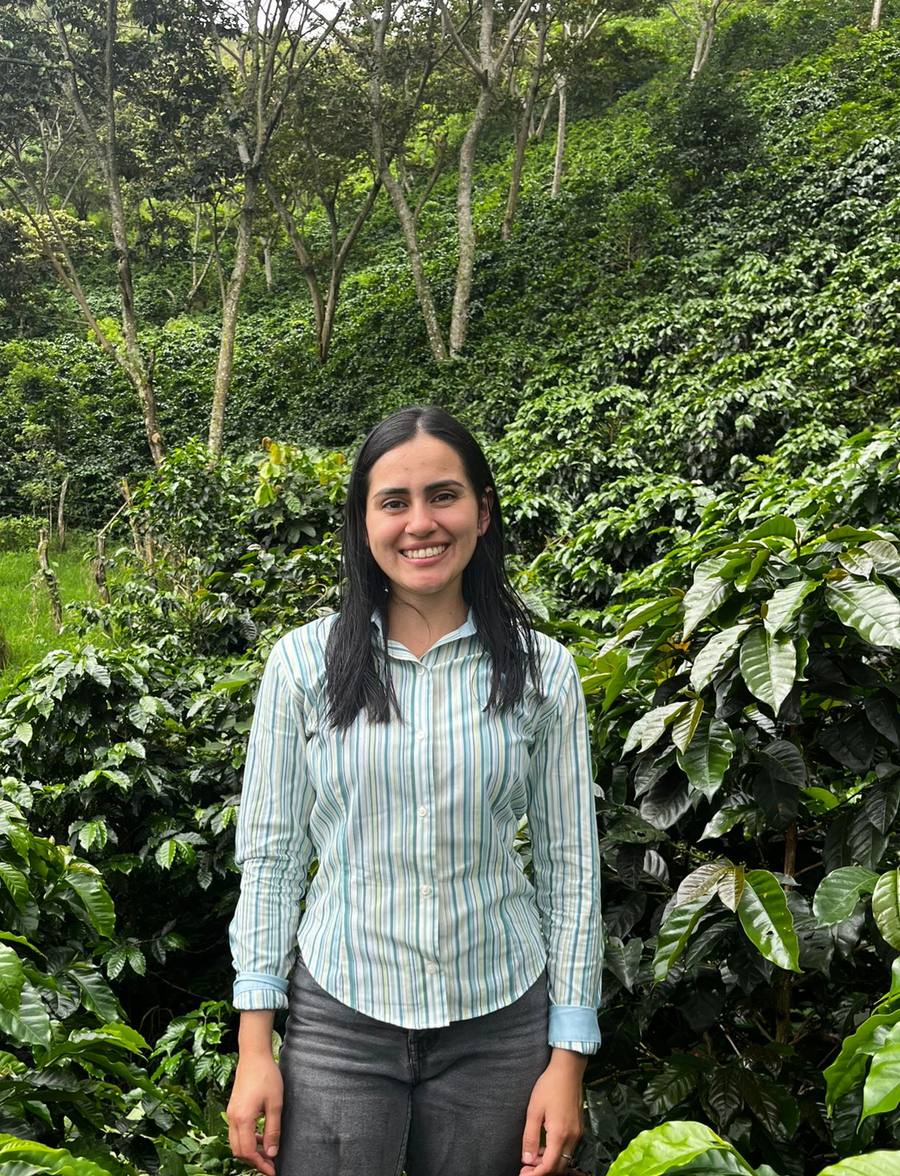
Keyli Victoria Carvajal Bonilla farms Dariela at 1650 m in Lempira, Honduras.
NIR-derived indices · EGGSTONE engine
Predicted sensory axes · 0–10
Acids run below the comparison — expect a soft, rounded cup rather than sparkle.
An expressive aromatic feedstock — fragrance carries from dry grounds through the cup.
A simpler, more linear flavor — comfort profiles and blends suit it.
Natural sugars are calmer than peers — build sweetness through the Maillard phase.
Lipids and polysaccharides build real weight — holds up in espresso and milk.
Predicted by the uncrack engine from this lot’s NIR chemistry · v2 tier model · probabilities sum to 100%
Bean-to-bean, from 96 readings (3 scans × 32) · higher = more uniform
Roasting directions from this lot's chemistry · percentiles against the full green coffee library
- 01Lead with aroma: trigonelline
Trigonelline ranks among the highest in the reference library. During roasting, it contributes to a wide range of aromas, as well as sweetness and savory depth. Combined with the richness of natural processing, it gives this lot strong aromatic potential.
Data rationale Trigonelline 96th percentile · Aroma potential 96th percentile
- 02Full body and a lingering finish: polysaccharides and lipids
Polysaccharides contribute weight and richness on the palate, while lipids round out flavor and extend the finish. Aim for a creamy mouthfeel with a lingering, nutty finish.
Data rationale Polysaccharides 94th percentile · Lipids 83rd percentile · Body potential 84th percentile
- 03Build toasted sweetness through Maillard development: amino acids and polysaccharides
Amino acids participate in Maillard reactions and Strecker degradation, developing nutty, chocolatey and savory notes. Sugars released as polysaccharides break down add depth to the sweetness. This is the main pathway to emphasize for a sweet-tasting cup.
Data rationale Polysaccharides 94th percentile · Amino acids 58th percentile
- 04Prioritize richness over brightness
Acid-related compounds, including malic and citric acids, are relatively low, while aroma- and body-related components are abundant. Center the profile on rich, sweet-toned flavors and a long finish to bring out this coffee's character.
Data rationale High Trigonelline, Polysaccharides and Lipids / Malic and Citric acids: 10th percentile
Percentiles rank this lot against the full green coffee reference library (about 2,300 coffees); Taste Potential values are percentile rankings, not cupping scores. These are directions suggested by the data — design and validate the actual profile on your roaster, for your target cup.